Is it anxiety or just very ambitious butterflies?
Your gut, your feelings, and how to turn drama into data

Hi, it’s Lily, your tour guide to the inner world.
If any organ deserves the award for “most dramatic supporting actor”, it’s the stomach. The brain is still pretending everything is under control, and the stomach has already quit its day job, paused calm digestion, and opened a free hostel for nervous butterflies inside. New connection? Butterflies. Zoom interview? Butterflies. That same “unknown number” right after you’ve done your labs? A whole swarm with wings and suitcases.
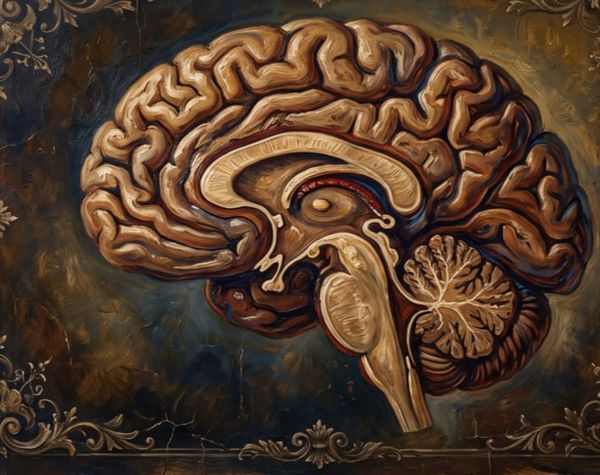
Scientists have a prettier name for this — the gut–brain axis. When you hit a strong emotion, the brain switches into survival mode: heart rate goes up, blood gets redirected to your muscles, and digestion is temporarily put on hold. The stomach gets less resources, changes how it moves, the enteric nervous system and microbes send a reply back up — and there it is, the feeling that someone has just opened an indoor butterfly enclosure in your belly. Love, panic, shame, those three dots in a chat window — your stomach lives through all of it not in words, but in waves, cramps, emptiness, warm or icy flutters.
Here’s the important part: it’s not “something is wrong with me”, it’s “something is happening to me”. Your stomach isn’t broken — it’s simply the first one to react to the plot while your head is still playing “I’m calm, I’m an adult, I’m in control”. It tightens when you say yes to a project you don’t actually want. It blooms into warm chaos when someone walks into the room and your whole body quietly asks, “so what are we going to do with this?”. It softens when you finally turn off your phone and let yourself sleep instead of replaying every possible scenario.
As an artist, I see the stomach as a rehearsal room where emotions try things out before opening night. Before they walk onto the main stage as “I’m anxious”, “I’m in love”, “I’m terrified of the results”, they first check the sound in your belly. The echo is most sensitive there. Our job is not to slap a “Do not enter” sign on the door, but at least sometimes peek in and ask: what show is playing right now?
In research there’s a word that keeps popping up: interoception — the skill of noticing what’s going on inside your body before it turns into a full‑blown crisis. When you pay attention to the first butterflies instead of only the stomach pain three hours later, you’re basically switching on the subtitles to your own movie.
A few tiny things that actually support this gut–brain duet, without any perfectionism:
- Three slow breaths with a hand on your belly before you answer that email that stresses you out (it sends a little “we’re not in immediate danger” signal through the vagus nerve and nudges you closer to “rest and digest” instead of “fight or flight”).
- Noticing patterns: “every time I say yes to this person / project, my stomach knots up.” That’s not drama, that’s data. You can write it down once or twice just to see the script on paper.
- One “normal” meal a day that you don’t eat in full alarm mode: no scrolling, no pacing with the plate, just letting your digestion know it’s not on a war mission right now.
None of this replaces a doctor if you have ongoing pain, weight loss, blood, or anything that feels like “this is really not okay” — that’s when we thank the butterflies for the early warning and take them to a professional. But for the everyday “my stomach is doing parkour again”, these small gestures help turn a nervous organ from an enemy into an ally.
Lily Marigold