The exhibition your body visits every day (but you don’t)
One workday, seen by your heart, gut and nervous system
Hi, this is Lily Marigold.
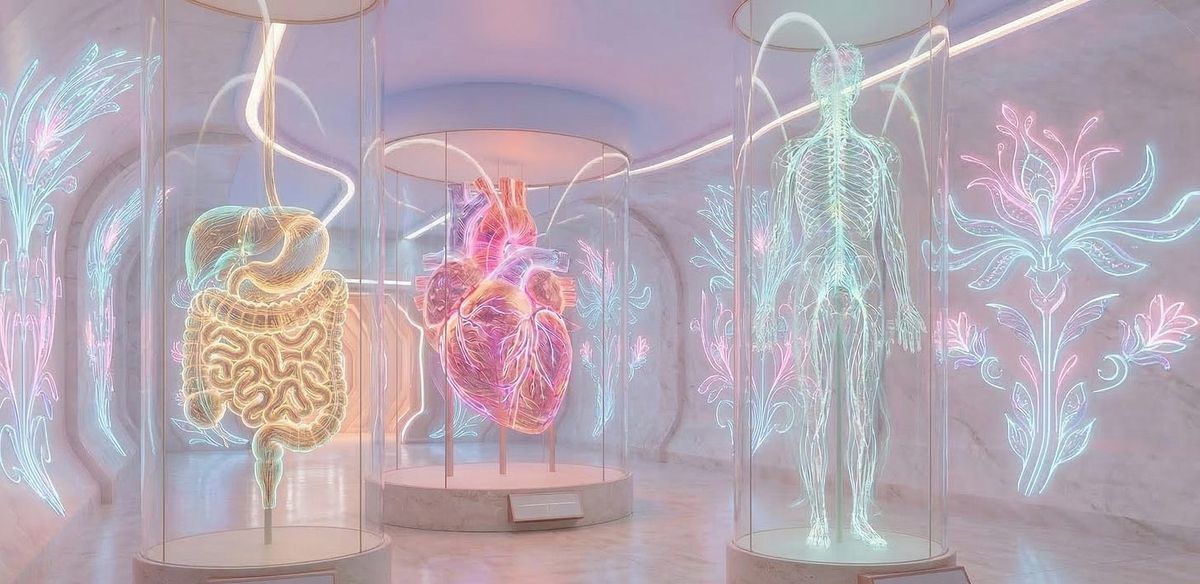
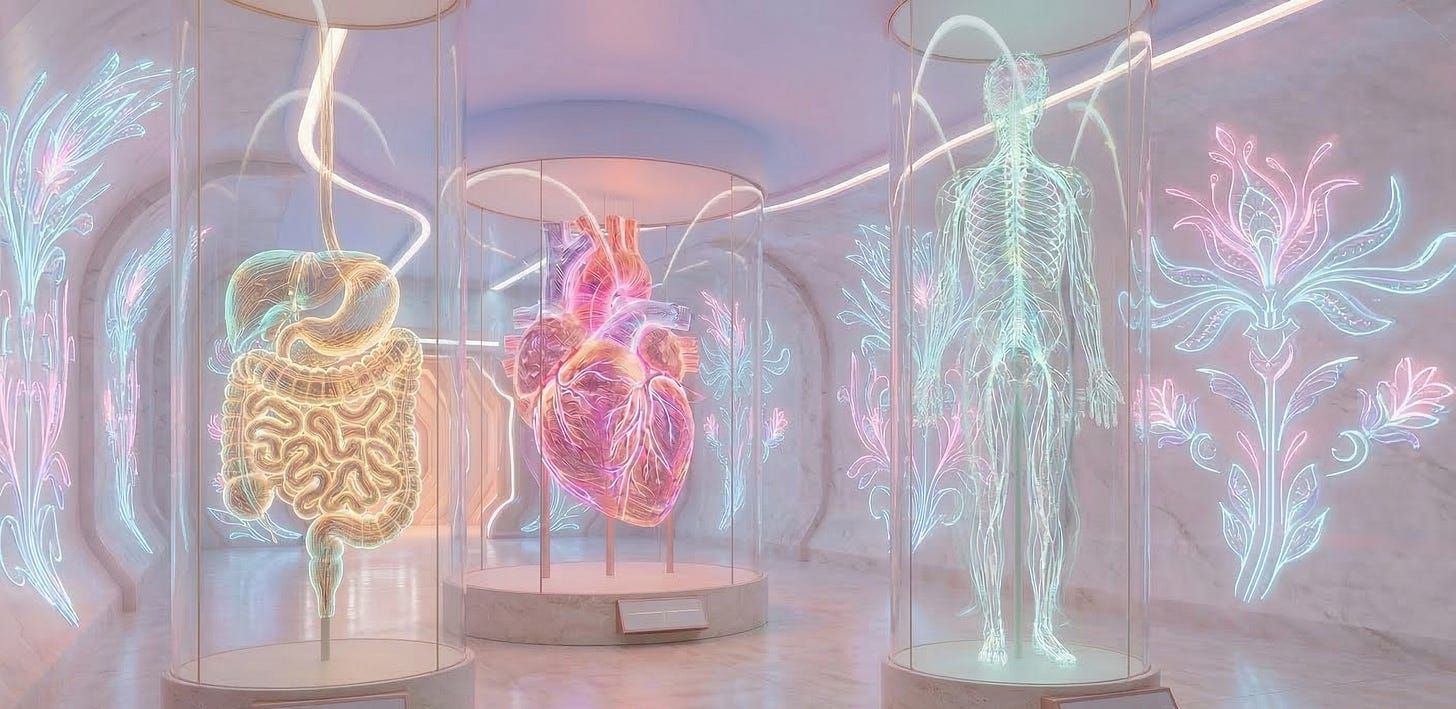
I want to show you an imaginary exhibition called “The Body as a Gallery of Workdays.” The entrance is free, but the pieces aren’t kept in a museum — they live in your body.
Heart in a Zoom Frame
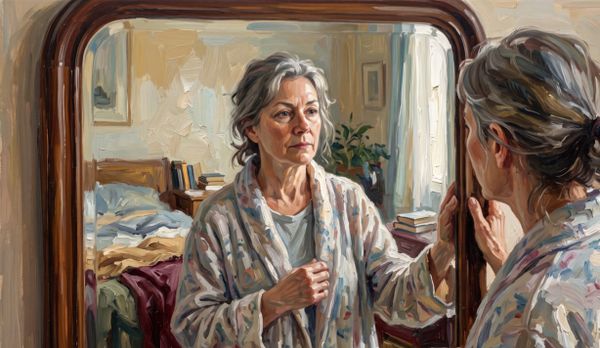
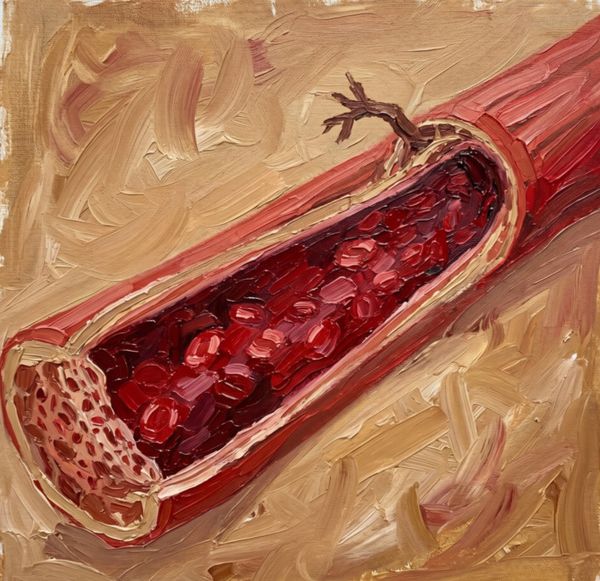
The Heart sits inside a Zoom window with headphones and a “work face.” The squares around it are dark, cameras off, and at the bottom a thin pulse line flickers instead of a status: “in a meeting,” “10 minutes left.” From the outside, you’re just sitting; inside, the heart is jogging to keep up — every new “call” adds a few extra beats.
Gut in Traffic
The Gut is a highway with little thought‑cars: “reply,” “finish,” “don’t forget.” Ahead, the light is always red: “urgent,” and on the side of the road: cold coffee and “on the go” snacks. Bloating, heaviness, that knot in your stomach are easy to blame on “I ate something weird,” but very often it’s “I ate in anxiety mode. Again.”
Nervous System Under Pushes
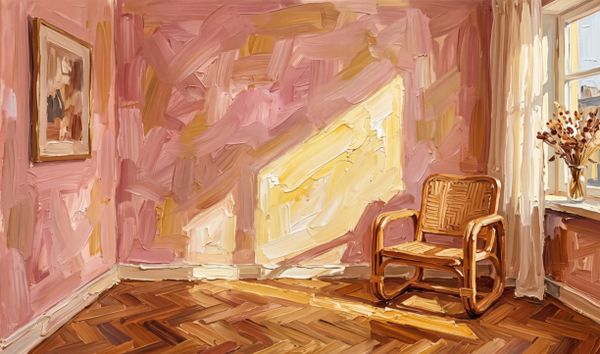
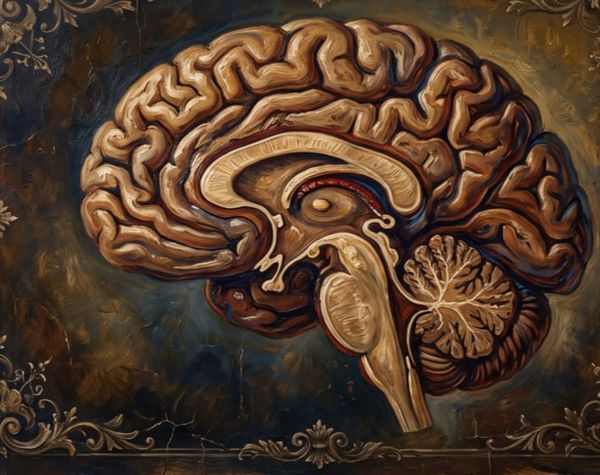
The ceiling of the hall is the Nervous System. Tiny light‑notifications rain down on it: work chats, social media, promo emails, “you left something in your cart.” Each one on its own is harmless, but together they keep the whole system in “something’s about to happen” mode — even when you’re already in bed.
Notes from my learning
Very simply put, with chronic stress the sympathetic nervous system (the “fight or flight” branch) switches on more often, and the parasympathetic (“rest and digest”) has less room to do its job.
- Cortisol can stay higher into the evening — the body is tired but still “on alert,” so falling asleep is harder and sleep becomes lighter and more fragmented.
- The Heart speeds up not just from running, but from emails and thoughts about work — over time this creates a feeling of constant inner rush.
- Digestion suffers because resources go toward “survival,” not the gut: that’s where the stomach knot, constipation or, on the flip side, more frequent trips to the bathroom during stressful periods often come from.
The body isn’t “broken” — it’s honestly adapting to a reality where anxiety and notifications have become the norm. These paintings are its way of showing that.
One micro‑step
For this week, I suggest one experiment:
pick one type of notification that is clearly non‑critical (for example likes, promo emails, or app update alerts) — and turn it off completely for 7 days.
Watch how your “gallery” changes:
how you fall asleep, how your gut feels, how your Heart beats when it’s a little quieter.
If you’d like, you can reply in one sentence:
“I’d start by turning off notifications about…” — and finish it with your word. I’m curious which light you’d choose to dim first in this gallery.
Listening to the body,
Lily Marigold